Avoid your inquiry is delay response, please enter your WhatsApp/Skype along with the message, so we can contact you at the very first time.
We will reply you within 24 hours. If for urgent case, please add WhatsApp/WeChat: +86 16652801818,. Or call +86 16652801818 directly.
*We respect your confidentiality and all information are protected. We will only use your information to respond to your inquiry and will never send unsolicited emails or promotional messages.
Big machines waste fuel, struggle in narrow access areas, and cost too much for light work. That hurts small contractors, farms, and rental fleets. A compact mini excavator like the HB-18 solves that with better reach, lower operating cost, and smarter control in tight jobs.
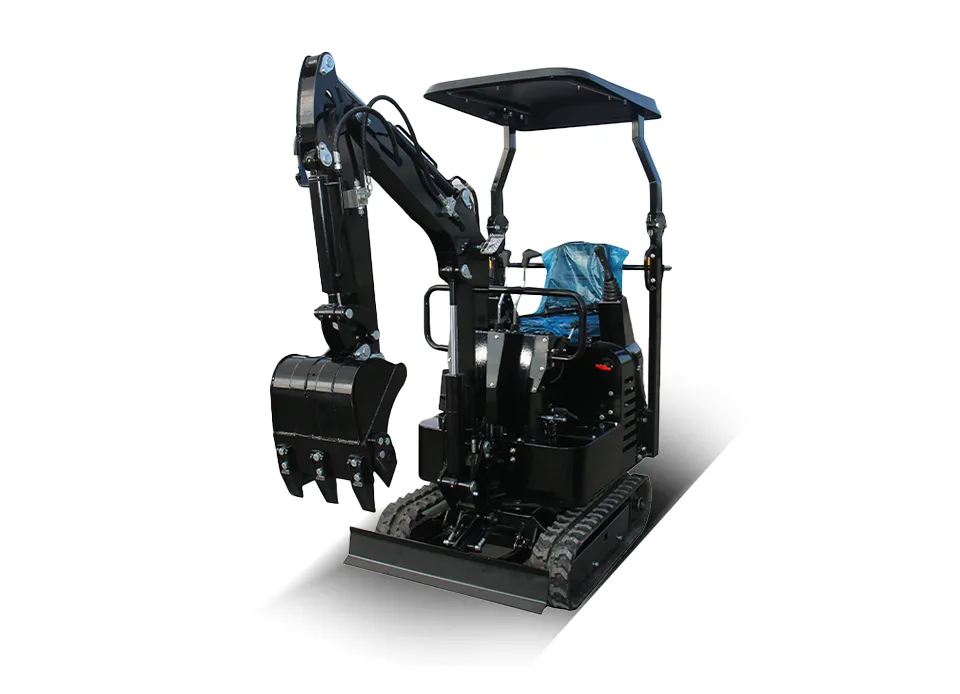
The HB-18 mini excavator is a compact excavator in Huibang’s 1–2T class, positioned for trenching, landscaping, infrastructure support, and general digging where stability, low fuel use, and compact size matter most. Buyers looking at an excavator in this range should focus on powertrain, hydraulic response, attachment compatibility, and supplier support rather than price alone.
The HB-18 is part of Huibang’s 1–2 ton mini excavator range. On the category page, Huibang describes it as rugged, low in fuel consumption, and high in stability, with suitability for mining and infrastructure development. That makes it more than a simple backyard machine. It is positioned as a practical excavator for serious compact work.
In real buying terms, this type of ton mini excavator is best for Construction Contractors, Farmers & Agri Dealers, Landscaping & Forestry Companies, Machinery Rental Companies, and Government/Public Tenders. These users usually want four things: reliable digging force, easy transport, simple operation, and dependable after-sales support. Huibang’s site repeatedly emphasizes high-performance compact machinery, multi-scenario use, and factory-direct supply for export buyers.
I see this as the sweet spot of compact equipment. It is large enough to do real site work, but still small enough for tight spaces, narrow construction, farm access lanes, and urban repair work.
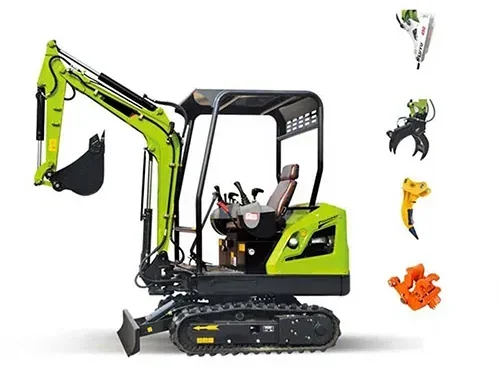
A larger excavator gives you more mass and reach, but not every job needs that. In many cases, a mini excavator finishes faster because it enters restricted areas with less setup. Huibang’s compact excavator article highlights these machines for jobsites where access, mobility, and lower ownership burden matter more than raw size.
For smaller contractors and rental fleets, that matters a lot. One compact excavator can handle trenching, small foundation work, utility repairs, drainage jobs, and landscaping projects. It can also work alongside a skid steer loader or mini skid steer to speed up cleanup and material movement. Huibang’s product-family content places mini excavators and loaders together for exactly this reason.
If your jobs are on residential plots, utility corridors, orchards, or municipal maintenance sites, a compact mini excavator often gives the best value.
Very important. A hydraulic thumb turns a simple digging machine into a much more flexible site tool. Huibang’s compact excavator guide specifically lists the hydraulic thumb among the most common attachments for construction and landscaping crews.
That matters because many compact jobs involve awkward material, not just soil. With a hydraulic thumb clamp, the excavator can handle stones, branches, roots, broken concrete, pipes, and irregular debris. On a farm or forestry job, thumb clamps also improve grip when moving cut wood or clearing edges. For contractors, that means one mini excavator can do more work before another machine arrives.
Here is where attachment logic becomes powerful:
That is why many buyers also ask about excavator attachments and semi-automatic quick systems at the same time.
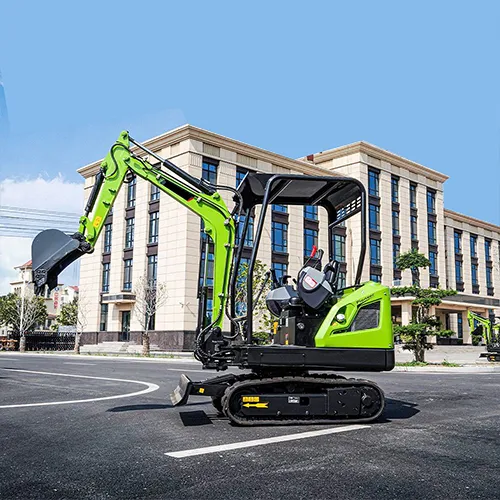
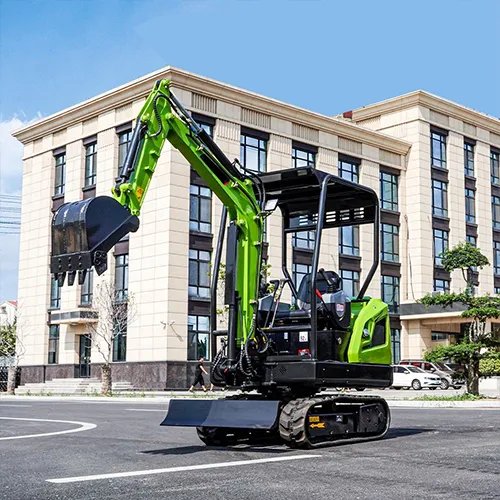
This is where the compact class shines. On construction sites, a mini excavator like the HB-18 is ideal for utility trenching, narrow foundation prep, drainage, and repair work near existing buildings. Huibang’s content repeatedly places compact excavators in space-limited work and infrastructure support roles.
For agriculture, the same machine helps with ditches, tree rows, irrigation lines, manure channel cleanup, and small loading tasks. In landscape work, the machine can dig planting pits, remove roots, cut narrow service lines, and prepare edging. This is why compact machines often work as a pair: a mini excavator handles the dig, and a skid steer or skid steer loader handles material.
If you change tools often, this matters a lot. Buyers use phrases like semi-automatic quick, semi-automatic quick change, and semi-auto quick coupler because attachment time directly affects jobsite output. A compact excavator loses value when operators waste time with manual tool swaps.
Huibang’s product writing on smaller excavators emphasizes versatility through multiple tools and quick connection logic on compact equipment. Even when the site does not show one exact HB-18 coupler spec publicly, the commercial intent is clear: modern buyers want faster attachment changeover and less downtime between tasks.
My advice is simple. If your jobs change every hour, ask for fast-change attachment support. If your jobs stay on one bucket all day, focus more on bucket geometry, tooth wear, and hydraulic tuning.
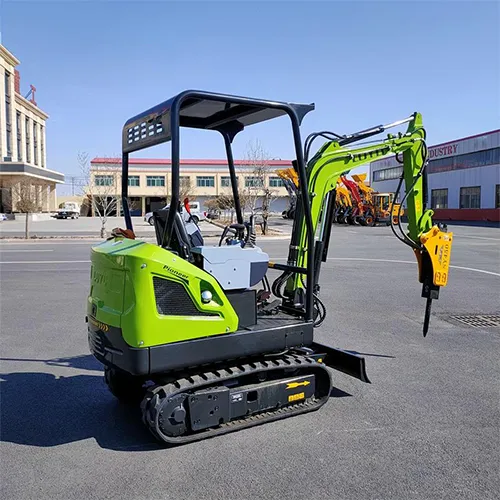
Huibang places the HB-18 in its 1–2T mini excavator category and describes it as rugged, stable, and low in fuel consumption. A Huibang buyer guide also references the HB-18 with about 1750 kg operating weight, which aligns closely with the 1.8 ton mini excavator class.
Yes. Compact excavators in this class are well suited to landscaping projects, trench work, tree and root handling, and access-limited ground preparation. Huibang’s content positions compact excavators for those exact scenarios.
Yes. Huibang’s product-family pages show mini excavators and loaders as complementary equipment lines. On many jobs, the excavator digs and the skid steer loader transports or levels material.
No. Free shipping may help with upfront cost, but machine fit, support, parts access, hydraulic performance, and build quality matter more over the life of the machine.

 English
  Arabic
  Turkish
  Spanish
  Portuguese
  Russian