Sorularınızın gecikmeli yanıtlanmasını önlemek için lütfen mesajınıza WhatsApp/Skype adresinizi de ekleyin, böylece sizinle ilk anda iletişime geçebiliriz.
24 saat içinde size cevap vereceğiz. Acil bir durum için lütfen WhatsApp/WeChat ekleyin: +86 16652801818,. Veya arayın +86 16652801818 doğrudan.
*Gizliliğinize saygı duyuyoruz ve tüm bilgiler korunmaktadır. Bilgilerinizi yalnızca sorunuza yanıt vermek için kullanacağız ve asla istenmeyen e-postalar veya promosyon mesajları göndermeyeceğiz.
Buying the wrong mini excavator can slow work, waste fuel, and limit what your crew can finish each day. The problem grows when the machine lacks hydraulic power, stable digging depth, or the right attachment. The right mini excavator solves this with compact strength and flexible job site performance.
A mini excavator is a compact excavator used for digging, trenching, grading, landscaping, small construction, farm work, and utility projects. To choose the best mini excavator, compare operating weight, dig depth, hydraulic performance, bucket size, diesel engine power, attachment options, cab comfort, rubber track quality, service access, and supplier support before making a purchase.
A mini excavator is a small excavator built for digging, trenching, grading, lifting, backfilling, and working in tight spaces. People also call it a compact excavator, mini digger, small excavator, or excavator digger. It gives contractors and landowners the power of construction equipment in a smaller body.
For many jobs, a big excavator is too large. It may damage lawns, block narrow roads, or cost too much to move. A mini excavator can enter smaller job site areas, work near walls, and finish detailed digging with better control. That is why it is popular in construction, farming, landscaping, forestry, rental fleets, and public works.
As a construction equipment manufacturing plant, we design mini excavator products for buyers who care about durability, reliability, ease of use, load capacity, and power system strength. These points matter more than a low first price, especially for contractors, agri dealers, machinery rental companies, and government tenders.
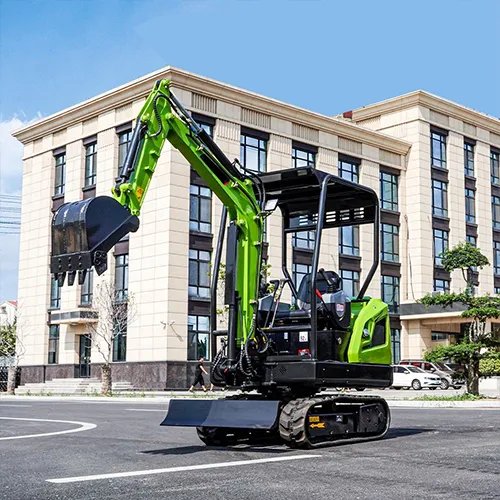
A mini excavator is useful for many buyer groups. Construction contractors use it for foundation digging, pipe trench work, drainage, road repair, demolition support, and site cleanup. The machine can work where larger equipment cannot move freely.
Farmers and agri dealers use a mini excavator for irrigation trench work, orchard maintenance, fence post holes, livestock area cleaning, ditch repair, and small land improvement projects. A 1 ton mini excavator or 2 ton mini excavator can be easier to transport between farm areas than a large machine.
Landscaping and forestry companies use mini ekskavatörler for garden shaping, retaining wall preparation, tree root removal, pond digging, and light forestry work. Machinery rental companies like mini ekskavatörler because one machine can serve many customers. Government and public tender buyers often value compact equipment that can support maintenance crews in streets, parks, drainage areas, and small public projects.
The best mini excavator is the one that matches the job, not the one that only looks powerful on paper. A 1 ton model is easy to move and useful in narrow spaces. A 2 ton model gives more digging force and better stability. A larger compact excavator can handle deeper trench work, heavier buckets, and tougher ground.
For very small projects, a mini excavator – 1.3 ton class may work well as a 1.3 ton trench digger. It can enter tight spaces, reduce ground damage, and help crews dig small utility trenches. A 1 ton trench digger is often useful for garden work, small farm jobs, and light construction.
For stronger daily work, a 2 ton mini excavator may be a better choice. Buyers who want a mini excavator powerful 2.5 ton class machine usually need more hydraulic flow, more reach, and more stability. Some buyers compare a mini excavator 4200lbs 20.4 hp style machine when they need higher performance in a compact size range.
A mini excavator depends on its hydraulic system. The hydraulic pump, hoses, cylinders, and control valve decide how smoothly the boom, arm, bucket, and attachment move. Weak hydraulics make the machine slow. Strong hydraulics help the operator dig, lift, swing, and grade with confidence.
Bucket size also matters. A small bucket is better for narrow trench work and precise digging. A larger bucket moves more soil but needs more machine power. If the bucket is too large for the machine, digging feels slow and the mini excavator may lose stability.
Dig depth is another key number. Contractors need enough dig depth for pipes, cables, drainage, and foundation edges. Farmers may need trench depth for irrigation. Landscapers may need clean depth for ponds or retaining wall footings.
A practical buyer should check:
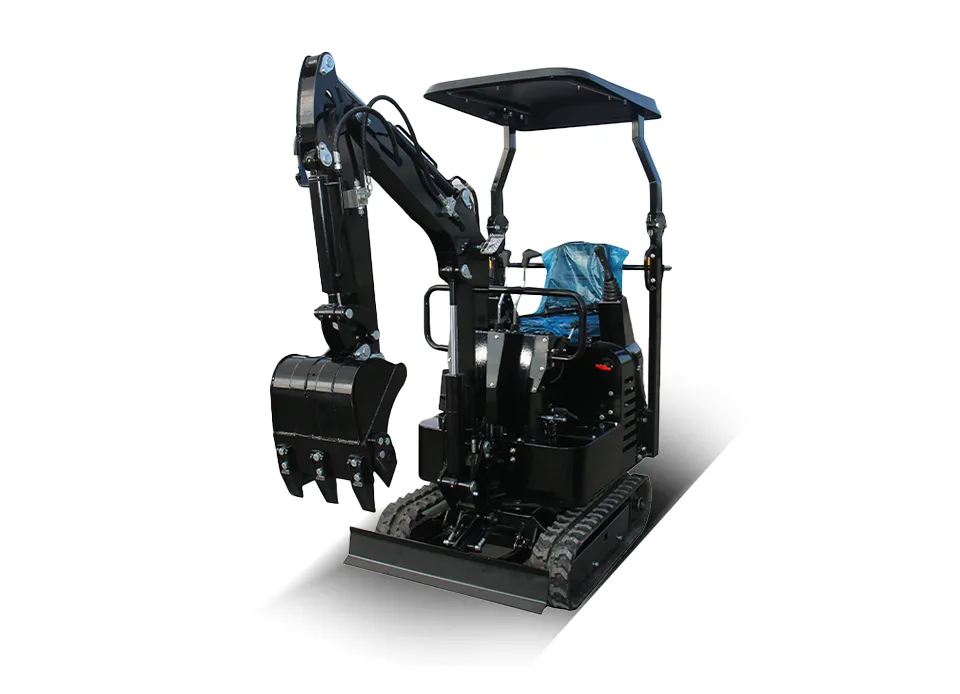
For example, Huibang’s HB08 compact mini excavator is positioned for small-scale construction, tight spaces, farm work, trenching, and orchard maintenance. This type of machine shows why compact size, bucket control, and hydraulic reliability matter for small job sites.
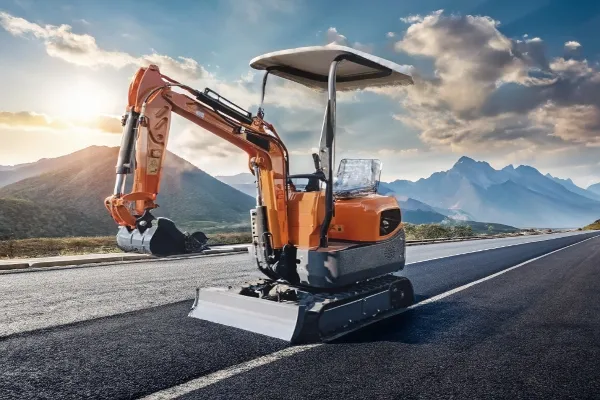
The right attachment can turn one mini excavator into many tools. A bucket digs soil. A hydraulic thumb grabs branches, stones, logs, and demolition waste. An auger can drill holes for posts, trees, and fencing. A breaker can help with light demolition. A rake can help clean roots and debris.
For B2B buyers, attachment compatibility is a serious buying point. Contractors want fewer machines on the job site. Farmers want one machine for many farm tasks. Rental companies want a range of attachments to increase rental value. Public tenders may need machines that can support several departments.
A mini excavator attachment should match the machine’s hydraulics. Do not add a heavy attachment if the machine cannot support it. The result will be slow work, high wear, and frustrated operators.
The diesel engine is the heart of many mini excavator models. Buyers often compare brands and engine types, such as Kubota, Yanmar, Kubota diesel, Kubota diesel engine, and other proven diesel engine options. These names appear often because global buyers care about power, spare parts, reliability, and service familiarity.
HP is important, but it is not the only number. A machine with good hp but poor hydraulic matching may still feel weak. You need to compare the whole power system: engine output, hydraulic pump, travel motor, swing motor, cooling system, and control response.
A strong mini excavator should have enough power for:
Some small machines may use a simple engine for light work. You may see buyers compare a Stratton engine in certain compact machine categories, but for professional construction equipment, many B2B buyers prefer diesel because of torque, working life, and field service habits.
The best excavator is not only the machine with the biggest engine. It is the machine where engine, hydraulics, structure, and cooling work together.
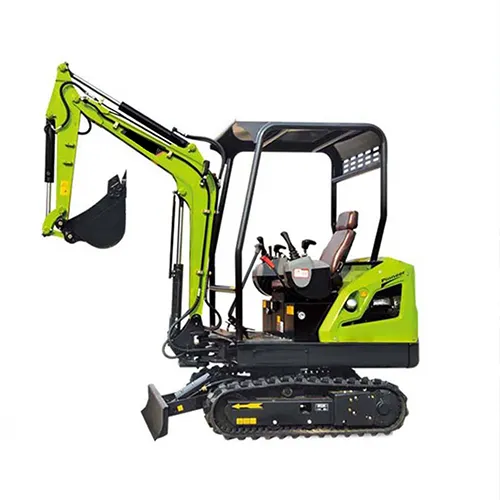
A mini excavator is best for digging. A loader is best for carrying, loading, and moving bulk material. A skid steer works well with many front-mounted tools. A compact track loader gives strong pushing force and traction on soft ground. These machines can support each other, but they do not do the same job.
If your main job is trenching, choose a mini excavator. If your main job is moving pallets, sand, gravel, feed, or debris, choose a loader. If you need grading, pushing, brush work, and attachment versatility on soft ground, a compact track loader may be better.
Many buyers search for mini ekskavatörler for sale or used mini excavators for sale. Used machines can save money at first. But they may bring hidden costs: worn hydraulics, weak tracks, poor engine condition, missing service history, and limited warranty.
A new mini excavator gives better control over specifications, attachments, supplier support, and spare parts. This is important for machinery rental companies and government tenders because downtime can cost more than the purchase discount. For construction contractors, a reliable new machine may finish more jobs with fewer repairs.
Used machines may be suitable when:
New machines are often better when:
If you are making a purchase for a business, calculate total cost, not only purchase price. Fuel, repairs, downtime, transport, parts, operator time, and resale value all matter.
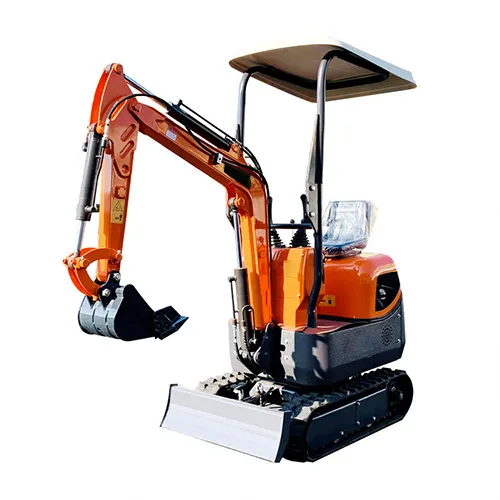
The right mini excavator supplier should understand your work, not just quote a machine. A construction contractor needs digging power and durability. A farmer needs easy maintenance. A rental company needs simple controls and tough parts. A government buyer needs documents, consistency, and long-term support.
A professional supplier should offer a range of mini ekskavatörler, clear specifications, practical attachment options, spare parts support, and export experience. They should also help buyers choose the right mini excavator based on job type, ground condition, transport limits, and local service needs.
Huibang / HUIBANG Machinery is positioned as a professional high-performance machinery manufacturer, with products covering loaders, mini excavators, forklifts, telehandlers, tractors, concrete mixer trucks, garden machinery, and attachments. You can learn more from the Huibang company profile and manufacturing background.
A mini excavator is used for digging, trenching, grading, lifting, backfilling, landscaping, farm work, road repair, and small construction projects. It is useful when a full-size excavator is too large for the job site.
For small jobs, a 1 ton or 1.3 ton mini excavator is often enough. These machines are easier to transport and can work in tight spaces. For stronger trenching and heavier buckets, a 2 ton mini excavator may be a better choice.
A mini excavator is better for digging and trenching. A skid steer is better for moving material and using front-mounted tools. Many contractors use both because each machine does a different job.
Common attachments include buckets, grading buckets, narrow trench buckets, hydraulic thumb, auger, breaker, rake, drill, and grabber tools. The attachment must match the machine’s hydraulic flow, weight, and mounting system.
Used mini excavators for sale may reduce first cost, but they can bring repair risk. New machines are better for daily work, rental fleets, tender projects, and buyers who need stable support, clear documents, warranty, and spare parts.

 Turkish
  English
  Arabic
  Spanish
  Portuguese
  Russian