Para evitar que sua consulta atrase a resposta, digite seu WhatsApp/Skype junto com a mensagem, para que possamos entrar em contato com você o mais rápido possível.
Responderemos em 24 horas. Se for um caso urgente, adicione WhatsApp/WeChat: +86 16652801818,. Ou ligue +86 16652801818 diretamente.
*Respeitamos sua confidencialidade e todas as informações são protegidas. Usaremos suas informações somente para responder à sua consulta e nunca enviaremos e-mails ou mensagens promocionais não solicitados.
Choosing the wrong loader can slow your job, raise fuel costs, and damage your site. Many buyers compare machines only by price, then regret weak power, poor traction, or low load capacity. The right loader solves these problems with better speed, strength, and daily reliability.
A loader is a type of construction equipment used to move, lift, load, and carry materials such as soil, gravel, sand, pallets, farm goods, and debris. The most common types include wheel loader, skid steer loader, track loader, compact wheel loader, front-end loader, and backhoe loader. Each loader type fits different ground conditions, space limits, and working needs.
UM carregador is a machine built for lifting and moving bulk materials. It usually has a bucket on the front, strong hydraulic arms, a powerful engine, and a stable chassis. A loader is commonly used in construction, farming, landscaping, forestry, roadwork, and public tender projects.
For many contractors, the loader is one of the first machines to arrive at the jobsite and one of the last machines to leave. It handles material handling, site clearing, loading trucks, moving aggregates, and supporting other machines. In simple words, it saves time and labor.
As a construction equipment manufacturing plant, we look at each loader from a buyer’s daily work view. Will the machine start easily? Can the power system stay strong under load? Is the front bucket easy to control? Can operators use it safely for long hours? These questions matter more than a low price alone.
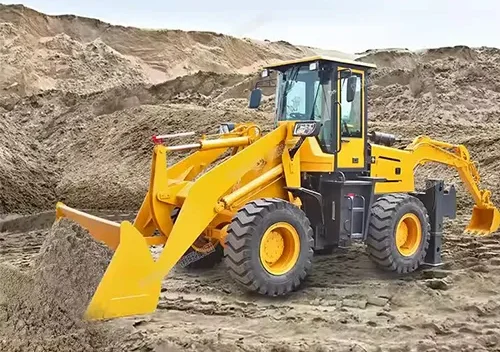
A wheel loader is popular because it offers speed, lifting power, and simple movement on firm ground. It uses four wheels, which help it travel faster than a machine with tracks. This makes it useful for yards, quarries, farms, warehouses, concrete plants, and road projects.
The main benefit of a wheel loader is balance. It can carry heavy material, move across paved roads, and load trucks with good cycle speed. A wheel loader is often used in construction sites where large amounts of sand, stone, soil, or demolition waste must be moved fast.
There are many wheel loader models in the market. Some buyers compare options like a case wheel loader, Caterpillar wheel loader, or John Deere 844K style large models. For example, John Deere lists its 844 P-Tier wheel loader with 311 kW power and 4.8–6.1 m³ bucket capacity, showing how large wheel carregadores are designed for heavy production work.
A wheel loader works best on hard, stable ground. It moves quickly, turns smoothly, and gives strong loading performance. If your team works in a quarry yard, concrete plant, warehouse area, or road project, a loader or wheel loader with strong tires is often a smart choice.
A track loader is better for soft, muddy, or uneven ground. It uses tracks instead of wheels, which spread machine weight over a larger area. This improves traction and reduces sinking on rough or uneven terrain. A compact track loader is especially useful for landscaping, farm roads, forestry paths, and slope work.
However, tracks can cost more to maintain than wheels. They also move slower on hard ground. That is why many B2B buyers compare loaders and track loaders by jobsite surface, daily working time, and maintenance budget.
A compact wheel loader is a strong choice when you need lifting power but do not have enough space for a large machine. These machines are common in farms, nurseries, municipal projects, rental fleets, and small construction yards.
Compact wheel carregadores offer a good mix of visibility, low ground damage, and easy operation. They are easier to transport than large wheel loaders and can work around buildings, gates, animal houses, storage sheds, and narrow lanes.
For buyers who need one machine for many light-to-medium tasks, compact front-end loaders can be very practical. They can move soil, lift pallets, clear snow, load feed, and handle landscaping material. Their value comes from versatility, not only raw size.
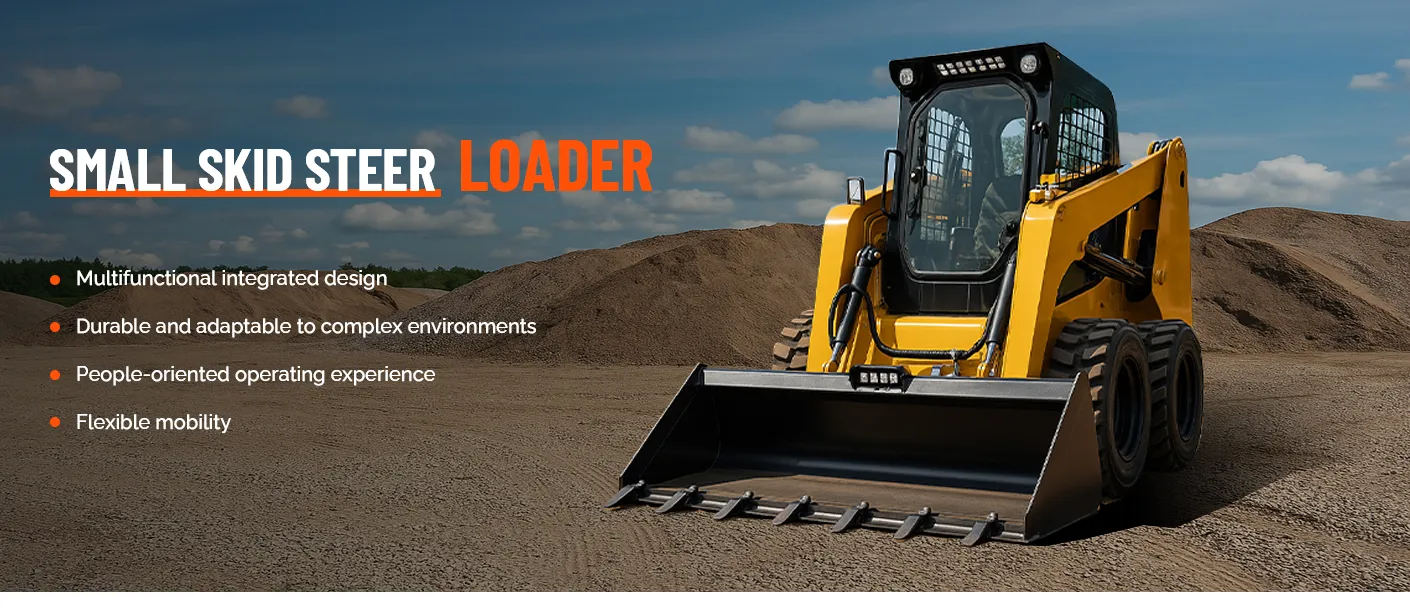
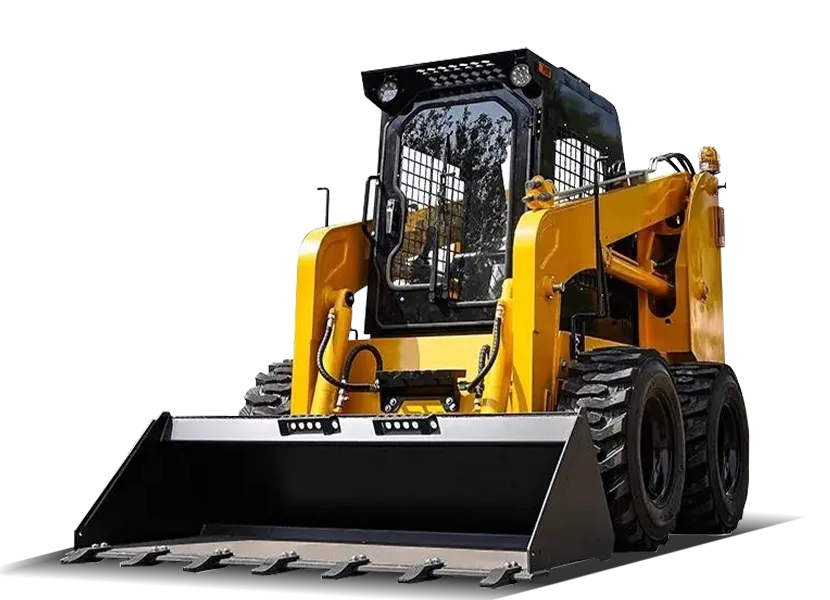
A skid steer loader is designed for tight turning and fast work in small spaces. It turns by changing the speed of the wheels on each side. This gives it a short turning radius and strong maneuverability.
A skid loader is useful for landscaping companies, rental businesses, farms, small building projects, and road repair teams. Skid steer carregadores can be fitted with buckets, forks, sweepers, breakers, snow blades, augers, and many other tools.
Some buyers compare a Gehl or Manitou skid steer with other brands because they want a machine with compact size, easy service, and a wide range of attachments. When choosing a steer loader, do not only compare engine power. Also check hydraulic flow, lifting height, operator comfort, and attachment match.
A loader becomes more useful when it supports the right attachment. A standard bucket is only the beginning. With the right tool, one loader can handle many jobs through the year.
Common loader attachment options include:
A good loader attachment system helps the operator change tasks faster. For example, a farm may use a bucket in the morning, pallet forks at noon, and a bale clamp later in the day. A construction contractor may switch from loading soil to clearing debris.
Loaders can be fitted with a wide range of attachments, but buyers should always check hydraulic pressure, flow rate, mounting plate type, machine weight, and lift capacity. The wrong attachment can reduce safety and damage the machine.
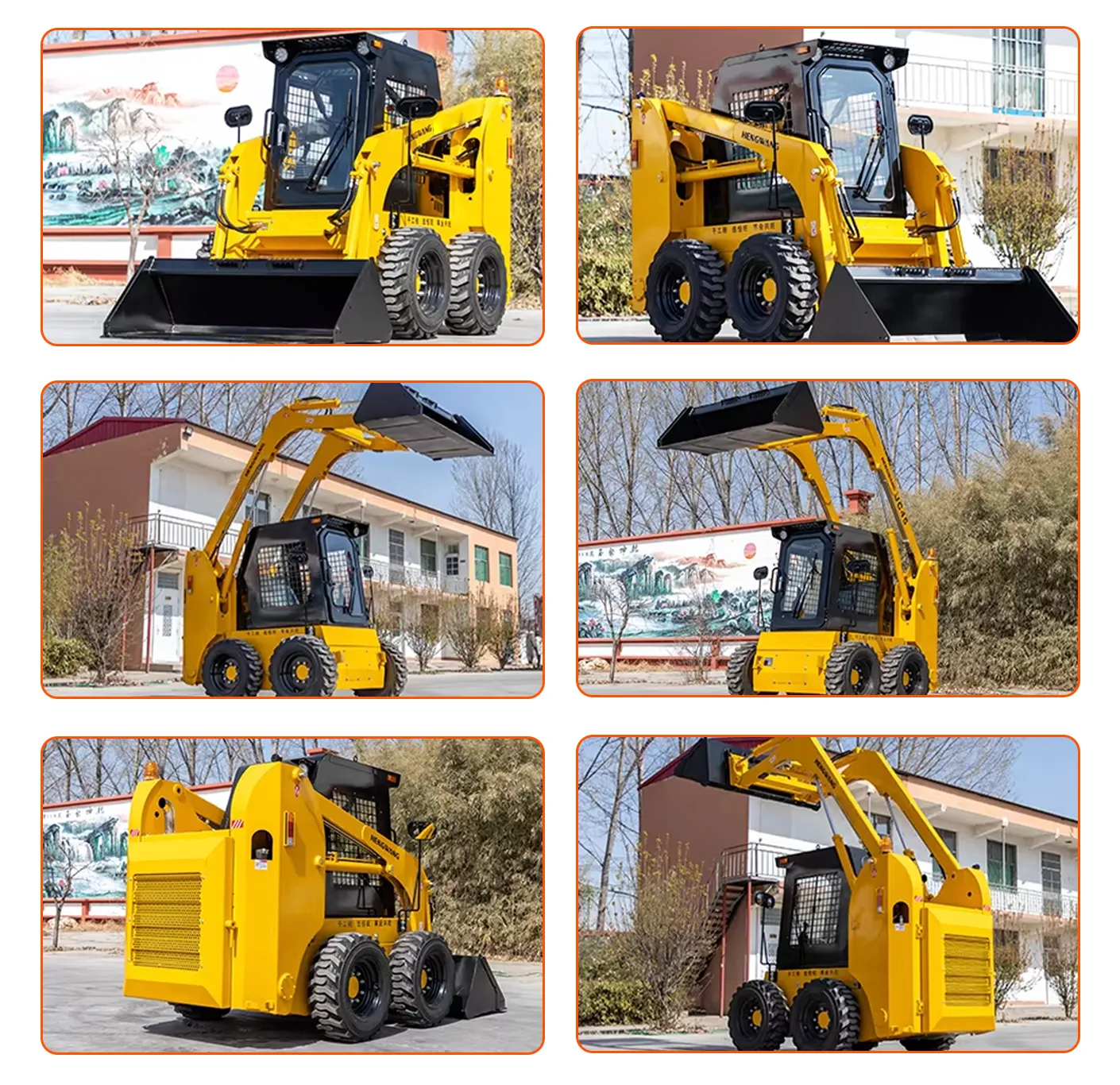
Before ordering a loader, B2B buyers should check the real job condition first. What material will the machine move? How heavy is the load? Is the ground hard, soft, muddy, or sloped? Will the loader work indoors, outdoors, or both?
Important checks include:
A loader needs enough engine power and hydraulic power to lift, push, and carry material without stress.
Choose a loader that can handle daily material weight safely. Do not run a machine at its limit all day.
Look for strong frames, quality axles, protected hydraulic lines, and proven parts.
Good visibility, simple controls, and operator comfort help reduce fatigue.
For rental companies and public tenders, spare parts and after-sales service are very important.
Heavy equipment must be used with clear site rules. OSHA notes that struck-by hazards are a major concern around heavy equipment in construction work.
As a manufacturing plant, we suggest buyers share their working photos, material type, bucket need, ground surface, and expected daily hours. This helps us recommend a more accurate loader model.
Buying from a construction equipment manufacturing plant gives B2B buyers more control. You can discuss machine configuration, attachment needs, color, logo, shipping method, spare parts, and tender documents more directly.
For contractors, this means practical support before the machine arrives. For farmers and agri dealers, it means the loader can match local farm work. For machinery rental companies, it means machines can be selected for easier operation and lower damage risk.
We focus on four things that B2B buyers care about most:
A loader is not just a machine. It is part of your working system. When the machine fits your work, your team moves faster, safer, and with fewer delays.
UM carregador is used for loading, lifting, carrying, and moving materials such as soil, sand, gravel, feed, pallets, snow, and debris. It is widely used in construction, farming, landscaping, forestry, and public works.
A wheel loader is a wheeled machine with a front bucket for loading and material movement. A front-end loader is a broader term that may describe a loader with a bucket mounted at the front, including some tractors and compact machines.
A track loader or compact track loader is usually better for soft ground because it uses tracks instead of wheels. Tracks spread the weight and improve traction on mud, loose soil, and rough or uneven terrain.
Not always. Large wheel loaders are better for high-volume loading, quarry work, and heavy material handling and loading. Small loaders are better for narrow areas, farms, rental work, and jobs that need easy transport.
Yes. Many loaders are equipped with quick couplers and hydraulic systems that allow different attachments. A loader can use buckets, forks, grapples, sweepers, blades, augers, and more, depending on the model.

 Portuguese
  English
  Arabic
  Turkish
  Spanish
  Russian