Avoid your inquiry is delay response, please enter your WhatsApp/Skype along with the message, so we can contact you at the very first time.
We will reply you within 24 hours. If for urgent case, please add WhatsApp/WeChat: +86 16652801818,. Or call +86 16652801818 directly.
*We respect your confidentiality and all information are protected. We will only use your information to respond to your inquiry and will never send unsolicited emails or promotional messages.
Traditional push machines slow teams down, raise labor costs, and fail in thick grass. A self-propelled gasoline lawn mower solves these issues with consistent power, better control, and higher efficiency.
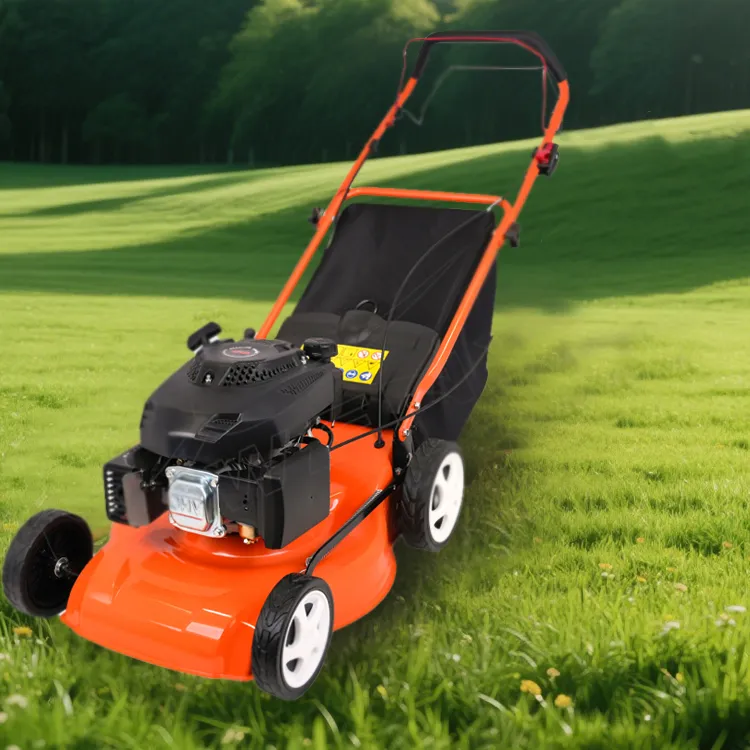
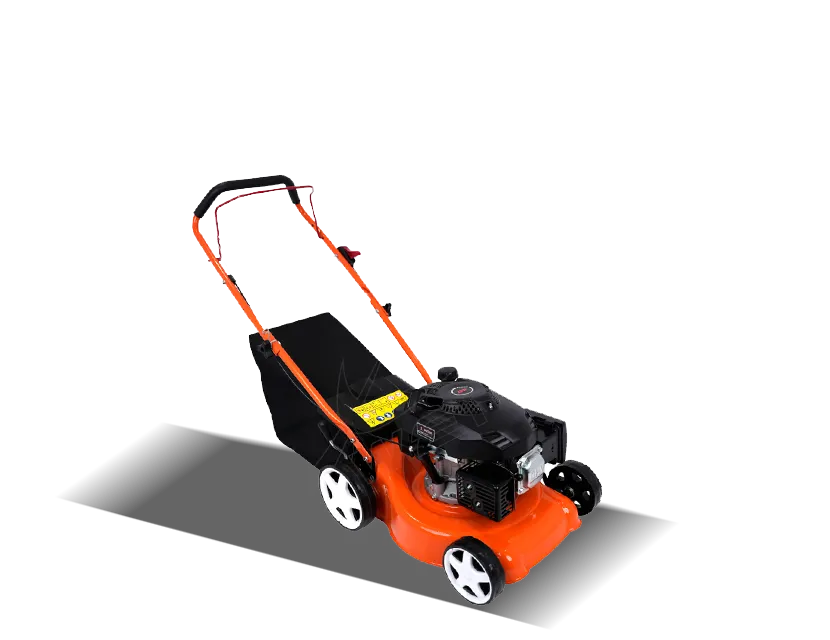
A self-propelled gas lawn mower is a walk-behind mower powered by a gas engine and a drive system that moves the mower forward automatically, reducing operator effort while delivering reliable cutting performance for professional and commercial lawn care.
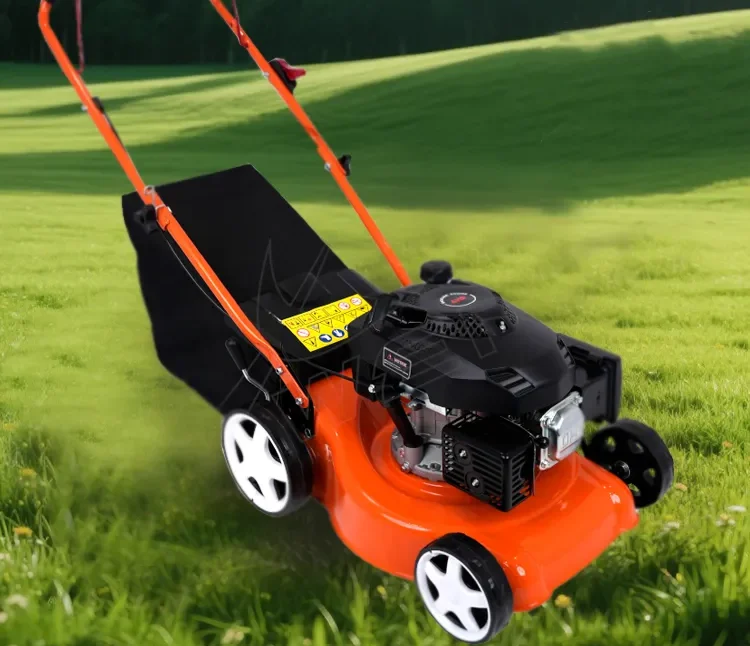
A mower must do more than cut grass—it must save time, reduce fatigue, and perform reliably in real-world conditions. For many B2B buyers, the self-propelled lawn mower remains the most balanced choice.
Unlike a basic push lawn mower, a self-propelled mower uses its drive system to move forward. Operators guide it instead of pushing. This matters when mowing large areas, slopes, or thick grass. Less effort means more consistent results.
From our export experience, distributors and rental companies consistently choose walk-behind mowers with self-propelled systems because they deliver better productivity without the complexity of riding lawn equipment.
The key difference between push or self-propelled equipment lies in workload and efficiency.
A push mower relies entirely on operator strength. A self propelled lawn mower transfers engine power to the wheels. This improves maneuverability, especially on uneven terrain or wet grass.
| Feature | Push Lawn Mower | Self-Propelled Mower |
|---|---|---|
| Operator effort | High | Low |
| Slopes | Difficult | Easy |
| Thick grass | Inconsistent | Stable |
| Productivity | Limited | High |
For commercial lawn care, this difference directly impacts labor cost and job completion time.
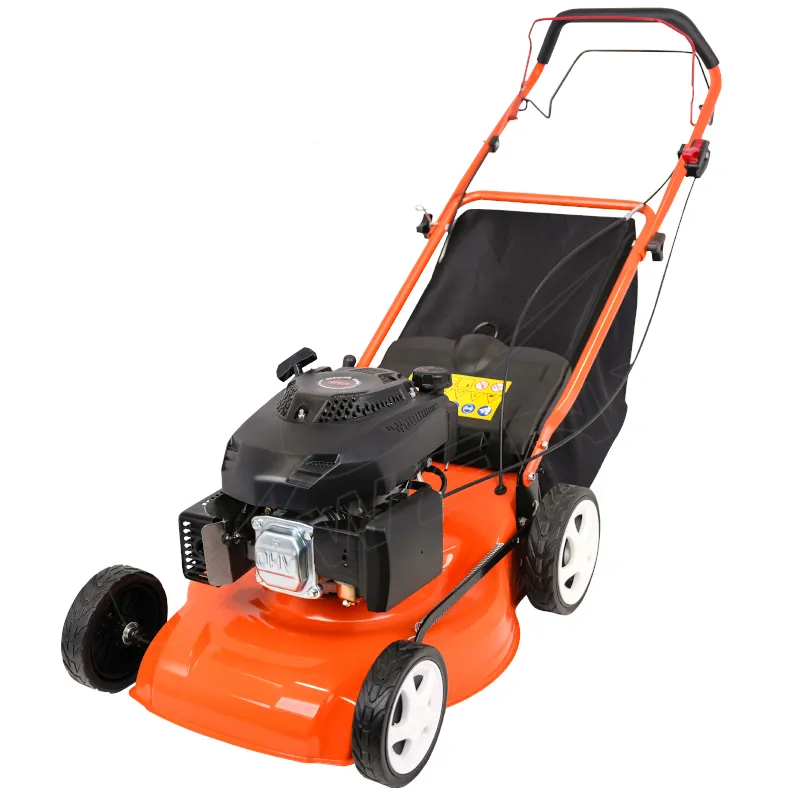
A gas lawn mower remains dominant in professional use. While electric mower and battery powered units are growing, gas-powered machines still lead in power output and endurance.
Gas-powered equipment handles wet grass, dense turf, and extended work cycles better than corded lawn or battery-powered systems. A single refuel often supports hours of continuous mow operations.
That’s why many B2B buyers—especially rental fleets—still rely on gas mower platforms rather than fully electric alternatives.
When buyers evaluate mowers feature sets, they focus on reliability, serviceability, and ROI rather than marketing hype.
Important features include:
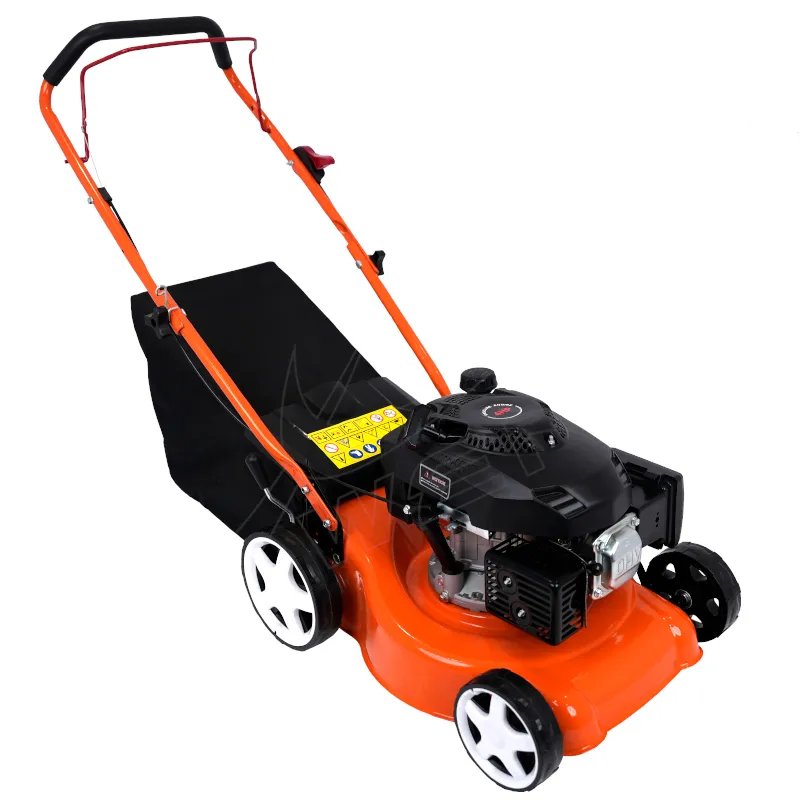
Yes. While riding lawn mower and riding lawn machines suit large estates, walk-behind lawn mowers dominate small to mid-size properties.
Reasons include:
In many markets, distributors report higher turnover for walk behind mower units compared to riding models.
You’ll see mowers in action most often in:
These machines handle frequent starts, long sessions, and varying grass conditions without compromise.
As a Chinese manufacturing supplier serving international markets, we understand what overseas buyers expect from outdoor power equipment partners.
Our customers value:
We don’t just sell mowers for sale—we support long-term partnerships built on reliability and delivery capacity.
One of our overseas distributors replaced entry-level push mower inventory with mid-range self-propelled mower units. Within one season, rental utilization increased by over 30%, and maintenance complaints dropped sharply.
The takeaway is simple: professional users are willing to pay for equipment that works consistently.
Is a self-propelled lawn mower better for thick grass?
Yes. A self-propelled lawn mower maintains consistent speed and blade rotation, making it more effective in thick grass than a push mower.
Can a gas-powered mower be used for commercial lawn care?
Absolutely. Gas-powered walk-behind mowers remain the standard for professional lawn care due to their power and durability.
What is the advantage of mulching versus bagging?
Mulch returns nutrients to the soil, while bagging keeps surfaces clean. Many professionals switch between bagging or mulching depending on the job.
Are battery-powered mowers replacing gas models?
Battery-powered and ego power systems are growing, but gas models still dominate heavy-duty and long-duration applications.
How do I choose the right mower for my lawn size?
Consider lawn size, terrain, and usage frequency. Mid-size areas typically benefit most from self propelled lawn designs.
Do self-propelled mowers require more maintenance?
Not significantly. With proper servicing, maintenance levels are comparable to standard gas models.
Final Thoughts: Choosing the Right Self-Propelled Gas Lawn Mower Partner
A self-propelled gasoline lawn mower is not just a tool—it’s a productivity asset. For professional buyers, reliability, efficiency, and service support matter more than brand labels.
As an experienced exporter and manufacturer, we help global partners build sustainable equipment lines backed by consistent quality and long-term cooperation. If you’re looking for a dependable supplier—not a one-time seller—we’re ready to talk.

 English
  Arabic
  Turkish
  Spanish
  Portuguese
  Russian