El hombre de la película
El hombre de la película
Evite que su consulta demore la respuesta, ingrese su WhatsApp/Skype junto con el mensaje, para que podamos comunicarnos con usted lo antes posible.
Le responderemos en 24 horas. Si es urgente, por favor, añada WhatsApp/WeChat. +86 16652801818,. O llama +86 16652801818 directamente.
Respetamos su confidencialidad y toda su información está protegida. Solo utilizaremos su información para responder a su consulta y nunca le enviaremos correos electrónicos ni mensajes promocionales no solicitados.
Many buyers need a small digging machine, but choosing the wrong one can waste fuel, slow the crew, and limit daily work. The problem grows when the machine cannot fit tight spaces or handle the right attachment. A well-matched mini excavator solves these issues with compact power, simple control, and better job site flexibility.
A miniexcavadora is a compact digging machine used for trenching, grading, landscaping, small construction, farm work, and utility work. To choose the best mini excavator, compare operating weight, dig depth, hydraulic flow, bucket size, attachment options, cab comfort, diesel engine performance, service access, and supplier support before making a purchase.
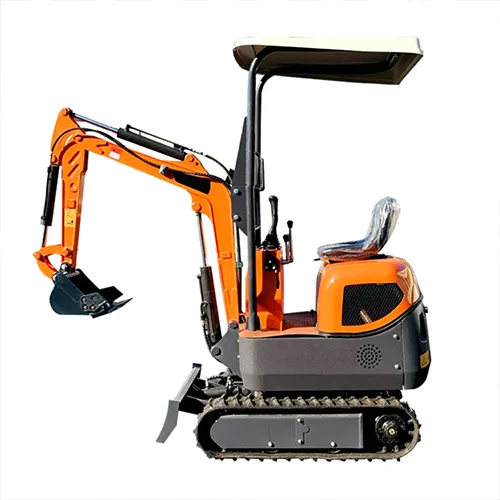
A mini excavator is a compact machine built for digging, trenching, grading, lifting, backfilling, and working in places where larger construction equipment cannot move freely. It is also called a compact excavator, small excavator, mini hydraulic excavator, or excavator digger. For contractors, farmers, landscaping teams, and rental fleets, this compact package can do many jobs without taking up too much space.
The main value is simple: you get digging power in a compact size. A modern mini excavator can enter narrow gates, small yards, orchards, urban job sites, farm paths, and building renovation areas. It can dig a trench, clean drainage channels, move soil with a bucket, or work with a hydraulic thumb for light material handling.
For buyers looking at HUIBANG Mini Excavators, the key advantage is practical worksite access. HUIBANG positions its machines for tight spaces, landscaping, trenching, and small construction work, with different weight classes for different project needs.
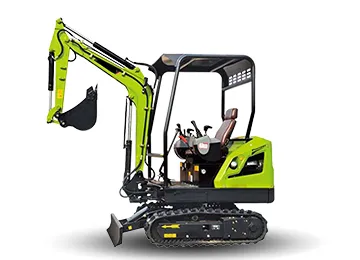
A mini excavator is popular because it gives users high productivity in a small footprint. Construction contractors use it for foundations, drainage, trench repair, road edges, and site preparation. Farmers use it for ditch cleaning, fence posts, irrigation work, and small land improvement. Landscaping and forestry companies use it for planting, grading, stump work, and land cleanup.
Machinery rental companies also like miniexcavadoras because one machine can serve many customer types. A rental buyer may rent the same compact machine to a home builder on Monday, a landscape team on Tuesday, and a farm owner later in the week. This versatility improves machine use and return on investment.
Government and public tender buyers often care about durability, ease of use, load capacity, and the strength of the power system. These buyers need machines that can work steadily, not machines that only look good in a brochure. In my experience as a construction equipment manufacturer, the best mini excavator is not always the most expensive one. It is the machine that matches the real job, the operator skill level, and the local service plan.
The hydraulic system controls digging, lifting, boom swing, bucket movement, auxiliary tools, and many mini excavator attachments. If the hydraulic system is weak or poorly matched, the machine may feel slow even if the diesel engine has enough power.
Buyers should check hydraulic flow, hydraulic oil requirements, hydraulic control response, auxiliary line options, and whether the machine can run tools such as an auger, breaker, hydraulic thumb, or grading bucket. Smooth operation matters because operators need fine control near walls, pipes, trees, and finished surfaces.
A strong hydraulic excavator should feel steady, not jerky. The boom, arm, and bucket should move with control. Foot pedals and hand levers should be easy to understand. If your operators are new, ease of use becomes very important. A machine that is simple to control can reduce training time and improve safety.
Here is a simple hydraulic checklist:
A 1 ton mini excavator is best for very narrow access, indoor work, small garden jobs, and light trenching. It is easy to transport and useful for homeowners, small contractors, landscape crews, and farms that need simple digging power. Micro excavators and 1 ton models can work in tight spaces where a larger compact machine cannot enter.
A 2 ton mini excavator offers more weight, stability, dig depth, and digging force. It is often a better choice for contractors who dig daily, rental fleets that need broader customer appeal, and public maintenance teams that work on drainage, roadsides, and utility work.
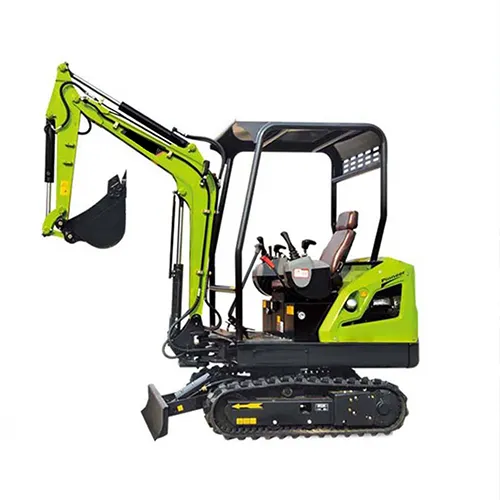
A mini excavator may be small, but operator comfort still matters. A tired operator works slower. A confused operator makes mistakes. A good cab or operator platform should help the driver stay focused and safe.
Important comfort and control features include:
For hot or dusty areas, an enclosed cab may protect the operator. For simple farm or landscape use, an open station may be enough. The right choice depends on climate, working hours, and budget.
A good mini excavator should also support fine control. This is important when digging near a wall, fence, utility line, tree root, or finished surface. Smooth hydraulic control is not just a comfort feature. It protects the job.
A mini excavator is often used for trench work. This makes safety very important. Operators should understand soil condition, trench depth, slope, nearby traffic, underground pipes, and safe entry rules. In the United States, OSHA excavation rules require proper cave-in protection for many trenches, especially when trench depth reaches 5 feet or more unless specific exceptions apply.
Even when the trench is shallow, a competent person should check the work area. This is not just a rule. It is common sense. Soil can collapse quickly. Water, vibration, and nearby loads can make the ground more dangerous.
For contractors and public tender buyers, safety planning should include:
A good machine helps, but safe work habits matter more. The right mini excavator should support clear visibility, stable operation, and smooth control.
Choosing the right mini excavator is also about choosing the right supplier. A good supplier should not simply push the most expensive machine. They should ask about your job site, soil type, transport method, bucket needs, attachment plan, local service needs, and target price.
As a construction equipment manufacturing plant, we often guide buyers by asking practical questions first:
What work will the machine do most often?
What trench depth do you need?
Will you use a hydraulic thumb, auger, or breaker?
Do you need a cab or open operator station?
What transport trailer do you use?
What is your local fuel quality?
Are you buying for your own fleet, resale, rental, or public tender?
Do you need OEM/ODM branding or mixed container supply?
HUIBANG’s wider equipment range includes miniexcavadoras, loaders, compact tractors, lawn mowers, material handling equipment, concrete mixer trucks, and garden machinery. This helps buyers combine products under one sourcing plan. For example, a dealer may order a mini excavator with compact tractors, garden machinery, or material handling equipment to serve more customers.
The best mini excavator for small contractors is usually a machine in the 1–2T or 2–3T range. It should offer enough dig depth, stable operating weight, smooth hydraulic control, useful bucket options, and easy maintenance. The best choice depends on your most common job.
Yes. A 1 ton mini excavator is useful for tight spaces, landscaping, small farm jobs, garden work, and light trenching. It is easy to transport and can enter places where larger machines cannot work.
Most buyers should start with a standard bucket, narrow trench bucket, grading bucket, quick coupler, and hydraulic thumb. If your work includes fence posts or tree planting, an auger is also useful.
Used machines can reduce purchase cost, but they may carry hidden wear, weak hydraulics, engine problems, or poor service history. New machines often provide better warranty support, cleaner specifications, and easier branding options for dealers.
A mini excavator is mainly for digging, trenching, lifting, and precise excavation. A skid steer is better for loading, grading, moving soil, and using front-mounted tools. Many job sites use both machines together.
Yes. Many miniexcavadoras are designed for tight spaces. Buyers should check width, tail swing, boom swing, track design, and operating weight before choosing the right mini excavator.
 Spanish
  English
  Arabic
  Turkish
  Portuguese
  Russian