Avoid your inquiry is delay response, please enter your WhatsApp/Skype along with the message, so we can contact you at the very first time.
We will reply you within 24 hours. If for urgent case, please add WhatsApp/WeChat: +86 16652801818,. Or call +86 16652801818 directly.
*We respect your confidentiality and all information are protected. We will only use your information to respond to your inquiry and will never send unsolicited emails or promotional messages.
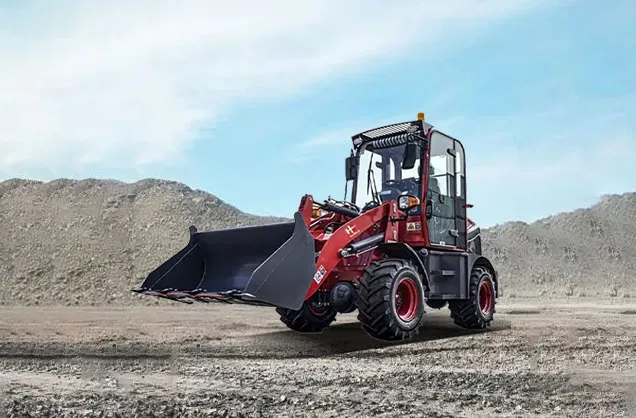
You’re on a muddy job site, a pallet is sinking, and the clock is ticking. Choosing the wrong skid steer loader costs hours and money. The right skid steer solves the mess—zero-radius turning, serious lift capacity, and an array of attachments to finish faster.
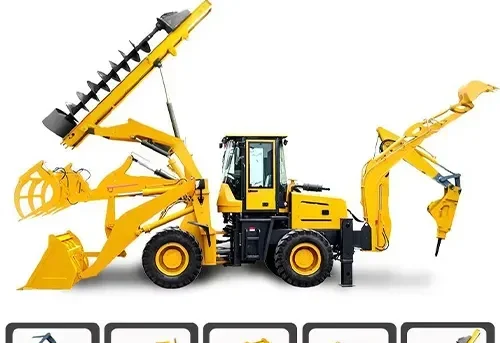
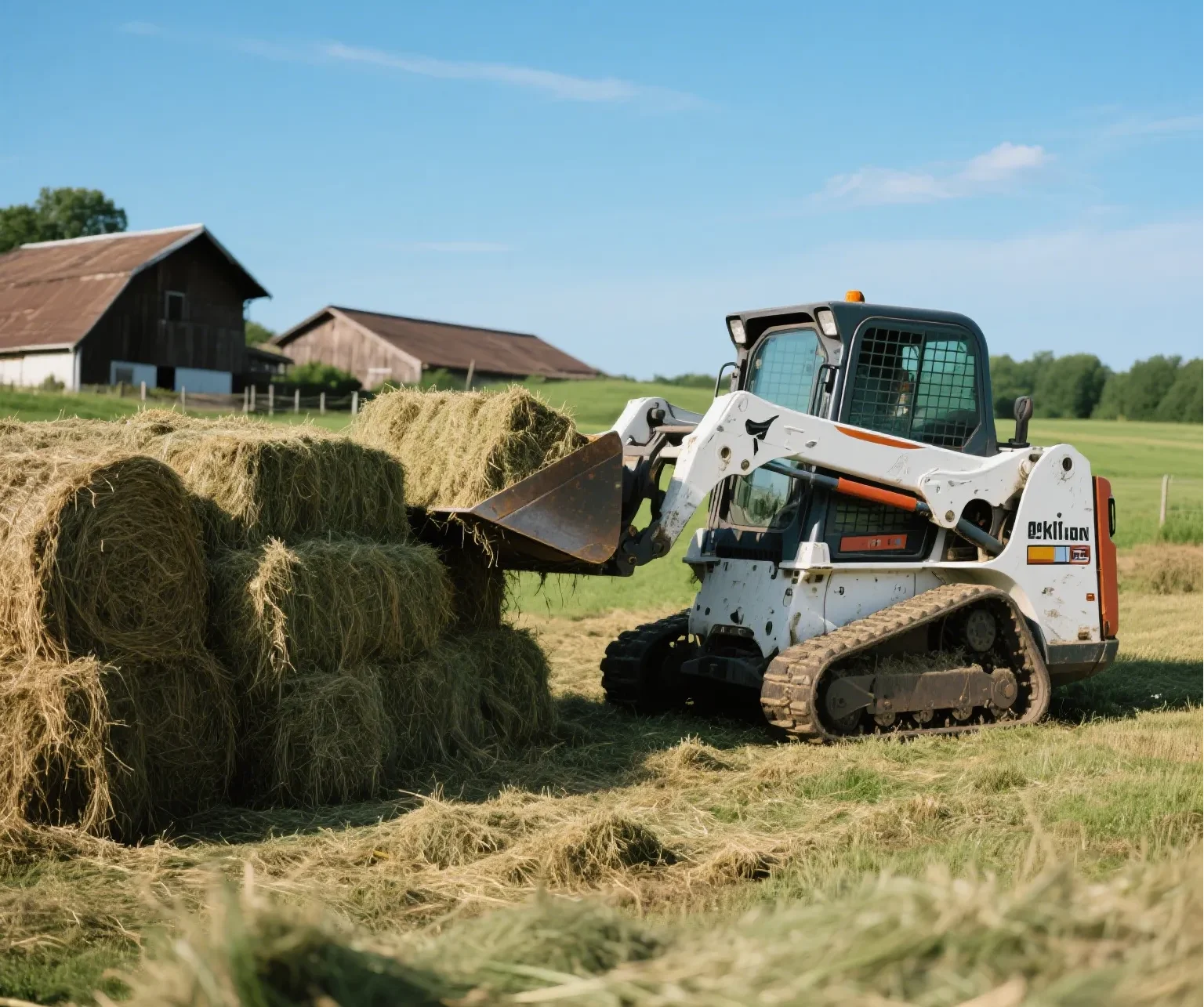
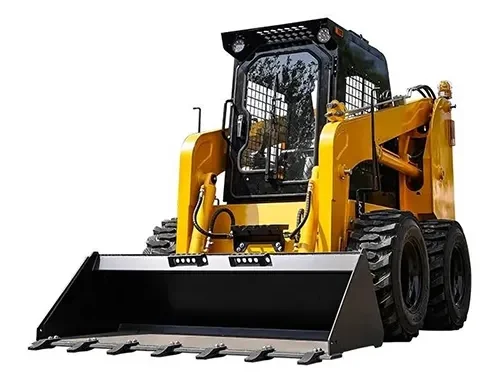
A skid steer loader (also called a skid-steer loader or skid loader) is a compact, maneuverable construction equipment machine with a rigid frame and lift arms. It uses wheels (or tracks on a compact track loader) to turn in place, carries heavy loads, and powers an array of attachments. Ideal for tight spaces, landscaping, farm chores, and construction sites, skid steers deliver high rated operating capacity and versatile productivity.
Skid steers are versatile pieces of equipment built for tight spaces and rapid cycles. A skid steer loader pivots by skidding its wheels—hence the name “skid”—giving zero-radius turning and incredible maneuverability on cramped jobs. Many skid steer designs share the same compact design: short wheelbase, powerful hydraulics, and robust lift arms.
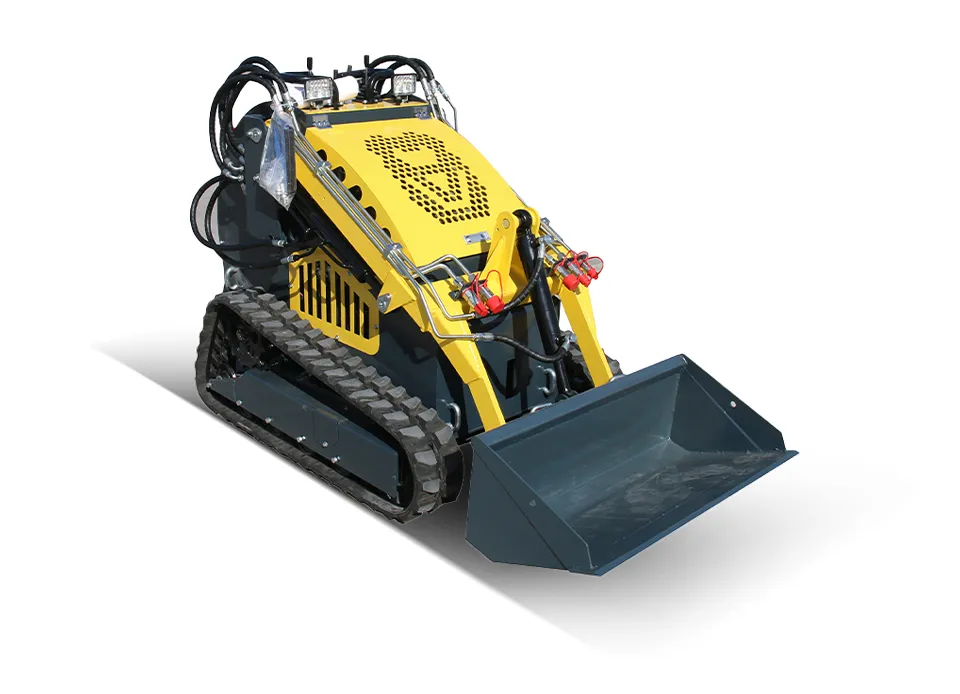
Where a full-size loader needs room to swing, a skid steer’s compact design lets it work next to walls, trees, or fences. Loaders are built to move, stack, dig, and grade. For our clients—Construction Contractors, Farmers & Agri Dealers, Landscaping & Forestry Companies, Machinery Rental houses, and Government/Public Tenders—that agility means money saved.
“Skid steers come in a range of sizes, from nimble mini units to large-frame skid machines with serious engine power.”
The difference between skid steers and compact track loader units is in what touches the ground:
“Skid steers and compact track loaders share attachments, controls, and engines. Steers and compact track loaders often sit on the same dealer lot. If your jobsite stays muddy, a tracked unit wins. If you’re on pavement, wheels rule.
Your loader’s heart is its engine and hydraulic package:
Safety isn’t a sticker—it’s a system:
“Use a skid steer like a pro: low load, slow speed, clear path.”
Proper training reduces downtime and risk. At Huibang, we offer onboarding guides and maintenance checklists with every sale or rental package.
How do I choose between radial and vertical lift?
Pick radial for digging and grading; vertical for loading high-sided trucks or stacking pallets at full lift height.
What’s the safest way to use a skid steer on slopes?
Keep the load low, travel straight up or down, and avoid turning on steep grades. Watch weight distribution to prevent rollover.
Can I switch from wheels to tracks later?
Some kits add over-the-tire tracks, but a true compact track loader performs better in deep mud.
How many skid steer attachments do I really need?
Start with a bucket and forks. Add tools as jobs demand. Many skid owners grow to 6–10 attachments over time.
What maintenance keeps my loader running longer?
Daily greasing, hydraulic oil checks, and regular filter changes. Telematics can remind you of service intervals and catch issues early.

 English
  Arabic
  Turkish
  Spanish
  Portuguese
  Russian